
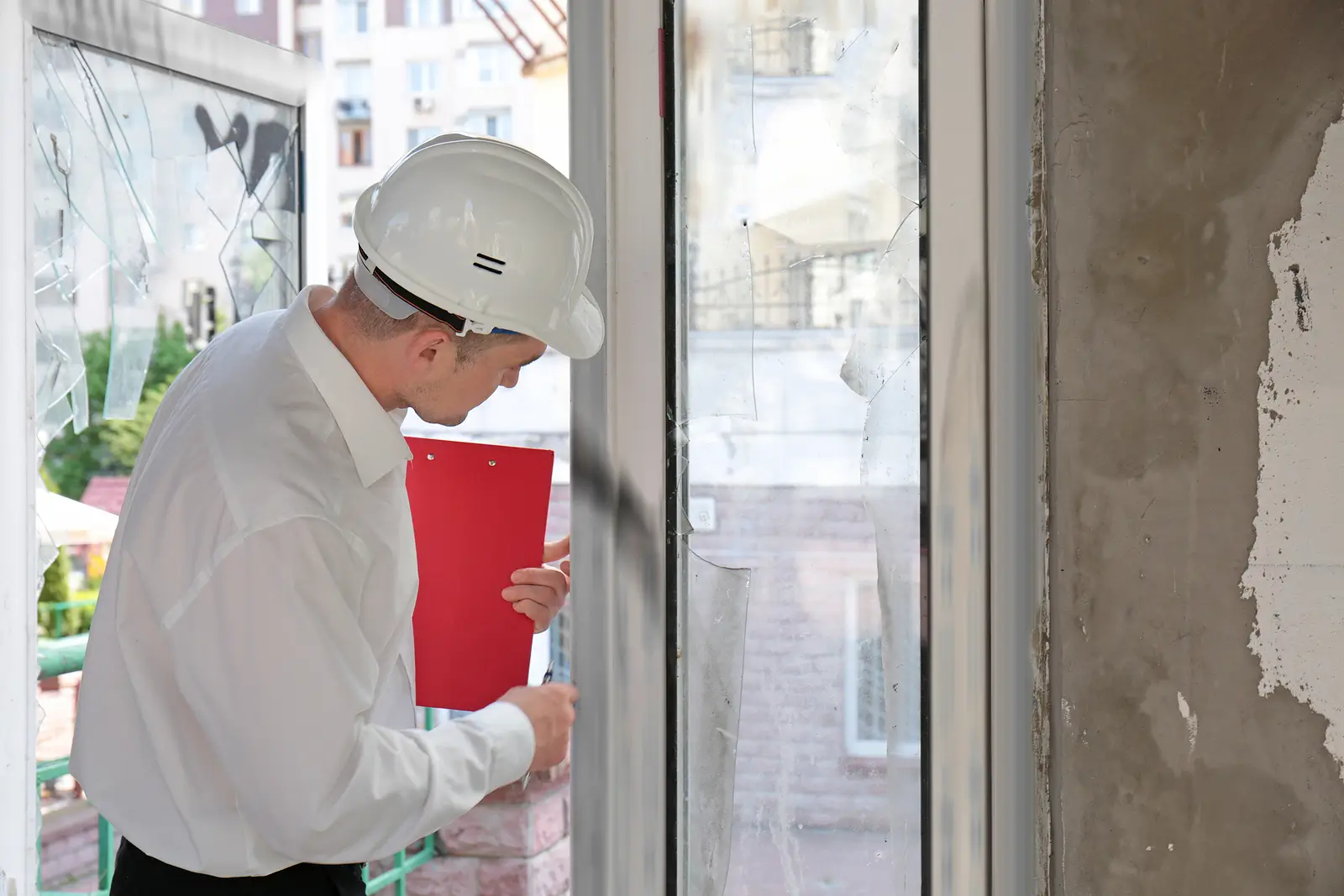
Fresh renovations can help attract renters, but some upgrades lose their value faster than owners expect. Materials that appear impressive during a property showing may require frequent repairs, replacements, or specialized maintenance after several tenant turnovers.
Before investing in expensive improvements, many property owners review a rental income analysis to determine which upgrades contribute to long-term returns. In Saint George, practical improvements often outperform luxury features because they hold up better under everyday use and help reduce future operating expenses.
Understanding which renovations tend to create long-term maintenance challenges can help you make smarter investment decisions and preserve your property's profitability.
Key Takeaways
- Durable materials often generate stronger returns than luxury finishes.
- Repeated tenant turnover can accelerate wear on expensive upgrades.
- Standardized fixtures simplify maintenance and repairs.
- Timeless designs typically remain appealing longer than trend-focused renovations.
- Practical renovations help reduce operating and replacement costs.
Why Rental Renovations Need a Long-Term Perspective
Every renovation should support the property's performance beyond the first lease. While appearance matters, long-term durability often plays a larger role in protecting profitability.
Rental homes experience continuous use from different occupants over many years. Flooring, cabinetry, fixtures, and appliances all face repeated wear that owner-occupied homes may experience at a slower pace.
Current market conditions continue to favor well-maintained rentals. According to the U.S. Census Bureau, the national rental vacancy rate reached 7.1% in Q3 2025, highlighting the importance of maintaining properties that remain competitive without creating unnecessary maintenance burdens.
Hardwood Flooring Isn't Always the Best Investment
Hardwood floors remain popular because they create an upscale appearance. However, they often become costly to maintain in rental environments.
Furniture movement, pet activity, and daily foot traffic can quickly leave visible scratches and dents. Over time, refinishing expenses add up, especially when preparing units between tenants.
Durable Alternatives Often Deliver Better Results
Many investors choose resilient flooring products because they provide several advantages:
- Greater resistance to scratches and moisture
- Faster turnover preparation
- Lower replacement costs
- Consistent appearance over multiple lease cycles
Property owners who focus on smart home improvements often combine durable flooring with technology upgrades to maximize tenant appeal while minimizing future maintenance demands.
Premium Carpet Can Create Ongoing Expenses
High-end carpet may feel luxurious initially, but it often becomes one of the first materials to show wear in a rental property.
Living rooms, hallways, and entry areas typically experience the greatest traffic. Stains, odors, and flattened fibers can appear even with regular cleaning.
Evaluating Long-Term Replacement Costs
Unlike hard-surface flooring, carpet often requires more frequent replacement due to:
- Tenant turnover
- Furniture movement
- Deep-cleaning requirements
- Everyday wear patterns
When calculating renovation budgets, investors often consider how replacement frequency affects overall returns rather than focusing solely on installation costs.
Custom Cabinets May Become Difficult to Maintain
Custom cabinetry can create a polished look, yet specialized finishes sometimes create long-term challenges.
Cabinet doors, corners, and handles receive constant use. Small chips or scratches may require extensive touch-up work when matching colors and finishes become unavailable.
Why Simpler Designs Often Win
Many successful rental owners prioritize cabinetry that remains functional and attractive for years. Neutral designs generally:
- Appeal to a broader audience
- Simplify future repairs
- Reduce repainting complexity
- Maintain relevance as styles change
Investors exploring pet-friendly leasing strategies often find that durable cabinet finishes perform better when properties accommodate a wider range of tenant lifestyles.
Decorative Fixtures Can Increase Maintenance Work
Lighting and hardware selections influence a property's appearance, but highly decorative options sometimes become difficult to maintain.
Specialty fixtures may require proprietary components that are unavailable locally. When replacement parts are discontinued, even minor repairs can become frustrating and expensive.
Standardized Fixtures Improve Efficiency
According to the U.S. Energy Information Administration, lighting accounts for approximately 3.4% of electricity use in American homes. Since lighting systems receive daily use, choosing reliable products becomes especially important.
Many owners benefit from using similar fixtures throughout multiple units because replacements are easier to source and install.
Trend-Driven Kitchens Can Age Quickly
Kitchen renovations remain one of the most popular upgrades, but heavily stylized designs may not maintain their appeal for long.
Bold color schemes, specialty backsplashes, and highly customized finishes often reflect current trends rather than lasting preferences.
Focus on Timeless Functionality
Practical kitchen improvements frequently deliver stronger long-term value. Features that continue attracting renters include:
- Neutral color palettes
- Durable countertops
- Functional storage solutions
- Efficient layouts
Owners who carefully evaluate rental floor plan options often discover that usability contributes more to tenant satisfaction than highly decorative design elements.
Built-In Features May Limit Tenant Flexibility
Custom-built-ins can seem appealing during renovation planning, yet they sometimes reduce a property's adaptability.
Every tenant uses the living space differently. Fixed shelving, permanent desks, and highly customized storage solutions may restrict how residents arrange furniture or personalize their homes.
Flexibility Supports Broader Appeal
Rental properties generally benefit from layouts that accommodate varying lifestyles. Open and adaptable spaces help prospective renters envision how the property can meet their needs.
Property owners evaluating future investment opportunities often review insights about successful property flipping projects because flexible design principles frequently support both rental performance and resale value.
Luxury Bathrooms Often Require More Attention
Bathrooms receive constant use and exposure to moisture. While premium finishes can look impressive, they often require greater maintenance than more practical alternatives.
Frameless glass showers, specialty fixtures, and designer surfaces may need frequent cleaning and upkeep to maintain their appearance.
Materials That Deliver Better Long-Term Performance
Many investors choose products that simplify maintenance while preserving visual appeal. Durable bathroom materials often provide:
- Easier turnover cleaning
- Lower repair complexity
- Greater product availability
- Reduced replacement costs
Owners who utilize tools such as an investment return calculator often find that practical upgrades generate more favorable long-term financial outcomes than high-maintenance luxury features.
FAQs about Rental Renovations in Saint George, UT
What signs indicate that a rental property's finishes are nearing the end of their useful life?
Frequent repair requests, visible wear, recurring maintenance expenses, and declining tenant interest can all signal that certain finishes or materials are no longer performing efficiently and may require replacement or modernization.
How can landlords balance tenant appeal with renovation budgets?
Focusing on durable materials, functional layouts, and easy-to-maintain features helps create attractive rental spaces without overspending. Strategic upgrades often provide a better balance between resident satisfaction and long-term operating costs.
Do neutral design choices help rental properties stay competitive longer?
Yes. Neutral finishes typically appeal to a wider range of renters and remain visually relevant for longer periods. This approach can reduce the need for frequent cosmetic updates between tenant turnovers.
Why is maintenance planning important before starting a renovation project?
Maintenance planning helps owners select materials and features that are easier to service over time. Considering future repair requirements early can prevent unexpected expenses and support more predictable property operating costs.
Can renovation decisions affect tenant retention rates?
Well-planned improvements that enhance comfort, functionality, and reliability can contribute to a better resident experience. Satisfied tenants are often more likely to renew leases, helping reduce vacancy and turnover-related expenses.
Renovation Decisions That Support Long-Term Rental Success
A beautiful upgrade means very little if it creates years of costly repairs, difficult replacements, or ongoing maintenance headaches. Rental properties perform best when every improvement serves a practical purpose and can withstand the realities of everyday tenant use.
Across Saint George, successful investors often focus on materials and features that stay functional, attractive, and easy to maintain through multiple lease cycles. That approach helps control expenses, simplifies turnovers, and keeps properties competitive in a changing rental market. At PMI St. George, we help owners make informed decisions that protect both property condition and long-term profitability.
If you're evaluating future improvements or wondering whether your current upgrades are delivering the returns you expected, elevate your property's maintenance strategy with PMI St. George and gain professional guidance designed to support lasting rental performance.
